CSA Z462 Arc Flash Training – Electrical Safety Compliance Course
Our customized live online or in‑person group training can be delivered to your staff at your location.

- Live Online
- 6 hours Instructor-led
- Group Training Available
Regular Price:
$249
Coupon Price:
$199
Connecticut electric surcharge adds a $3.50 monthly fee for utility ratepayers, affecting CL&P now and United Illuminating later, as a State Supreme Court legal challenge in Hartford contests authority, exemptions, and impacts on electric bills.
Understanding the Story
A $3.50 monthly tax on Connecticut electric ratepayers, replacing an expired surcharge and under Supreme Court review.
- Adds $3.50 per month to average household electric bill
- Applies to CL&P now; United Illuminating later in the year
- Replaces an expired bond-repayment surcharge from 2010
- Without it, average CL&P bills drop by about 9-10%
State Sen. Joe Markley calls a new surcharge on ratepayers' bills "a sneaky trick played on utility customers," which is why he personally filed a lawsuit challenging its validity.
The surcharge, a tax on electric ratepayers, was approved last year by the governor and lawmakers. The tax adds about $3.50 per month to an average household's electric costs on their monthly bill. Connecticut Light & Power customers began paying the additional tax January 1. United Illuminating customers will see the tax appear on their electric bills later this year.
Markley, a Southington Republican, says the tax is illegal. The tax replaces a surcharge that was put in place a decade ago to pay back bonds that were used to reimburse Northeast Utilities for the value of generating plants that the company lost when electric restructuring forced the company out of the generation business amid a broader rate dispute in Connecticut. That surcharge expired at the end of 2010, when the money was paid back.
If the tax had not been added, the average CL&P ratepayer would have seen their electric bills decrease by 9 percent or 10 percent, even though the October snowstorm had the potential to push rates higher.
Markley is getting his day in court, as the case is being heard before the State Supreme Court in Hartford while the attorney general considers market changes.
"The tax is unfair for two reasons," Markley has said. "It is levied by a state agency, which doesn't have the authority to do so, and with utility meters in the legislative spotlight, there are six towns that would be exempt from paying the tax."
The exempt towns are Wallingford, Norwich, Bozrah, Groton, Norwalk and Lebanon.
Related News
Related News

Coal, Business Interests Support EPA in Legal Challenge to Affordable Clean Energy Rule
Affordable Clean Energy Rule Lawsuit pits EPA and coal industry allies against health groups over…
View more
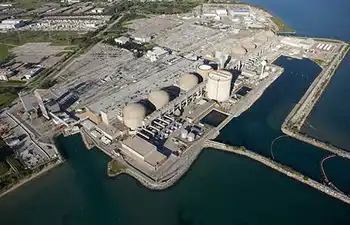
Ontario will refurbish Pickering B NGS
Pickering nuclear refurbishment will modernize Ontario's Candu reactors at Pickering B, sustaining 2,000 MW of…
View more
Ford Threatens to Cut U.S. Electricity Exports Amid Trade Tensions
Ontario Electricity Export Retaliation signals tariff-fueled trade tensions as Doug Ford leverages cross-border energy flows…
View more
Purdue: As Ransomware Attacks Increase, New Algorithm May Help Prevent Power Blackouts
Infrastructure Security Algorithm prioritizes cyber defense for power grids and critical infrastructure, mitigating ransomware, blackout…
View more
Climate change: Electrical industry's 'dirty secret' boosts warming
Sulphur Hexafluoride (SF6) Emissions drive rising greenhouse gas impacts in electrical switchgear, power grids, and…
View more
N.L., Ottawa agree to shield ratepayers from Muskrat Falls cost overruns
Muskrat Falls Financing Restructuring redirects megadam benefits to ratepayers, stabilizes electricity rates, and overhauls federal…
View more
Sign Up for Electricity Forum’s Newsletter
Stay informed with our FREE Newsletter — get the latest news, breakthrough technologies, and expert insights, delivered straight to your inbox.
Electricity Today T&D Magazine Subscribe for FREE

Stay informed with the latest T&D policies and technologies.
- Timely insights from industry experts
- Practical solutions T&D engineers
- Free access to every issue

