Arc Flash

How can I mark off arc flash boundaries?

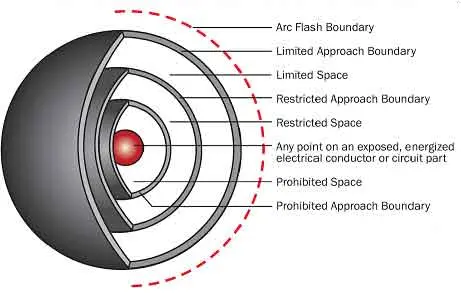
How can I mark off arc flash boundaries? Follow NFPA 70E and IEEE 1584, calculate incident energy, set approach limits, apply labels, post warning signs, and install barricades with required PPE distances.   How Can I Mark Off Arc Flash Boundaries? To mark off an arc flash boundary, calculate the distance at which incident energy drops to 1.2 cal/cm² using NFPA 70E or IEEE 1584 formulas. Once calculated, physically mark the perimeter with signage, floor tape, or barriers to alert personnel of the restricted area. For a step-by-step example of applying these formulas, see our Arc Flash Boundary Calculation guide…
View more

Download Our FREE Arc Flash Handbook

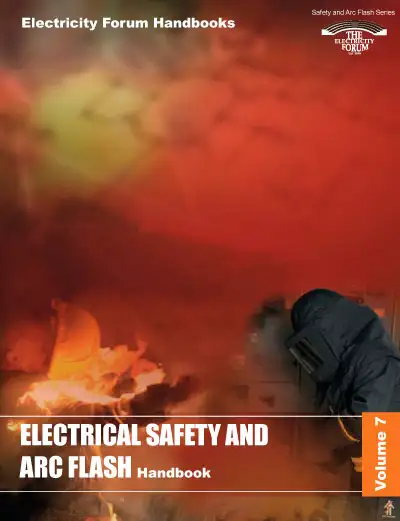
Electrical Safety and Arc Flash Handbook, Vol. 7

Due to high demand, the Arc Flash Volume 7 safety handbook is bigger and better than ever.

Volume 7 covers critical topics ranging from hazard identification, risk assessment, and the development of effective safety programs, to the detailed methods of arc flash analysis, protective equipment selection, and electrical safety standards compliance. We explore both the theoretical foundations and practical applications of electrical safety, providing engineers, safety professionals, and technicians with the knowledge to safeguard lives, reduce downtime, and ensure regulatory compliance.

As electrical safety continues to evolve with technological advancements, this handbook reflects the latest trends, tools, and standards, empowering professionals to implement the most effective safety measures. Whether you're managing an electrical safety program or working directly with electrical systems, this volume will guide you through essential strategies for minimizing risk and optimizing safety protocols.

We hope this edition will serve as an invaluable resource, helping you create safer work environments and reduce the ever-present risks associated with electrical systems and arc flash events.


Latest Arc Flash Articles
How Do I Complete an Arc Flash Hazard Analysis?
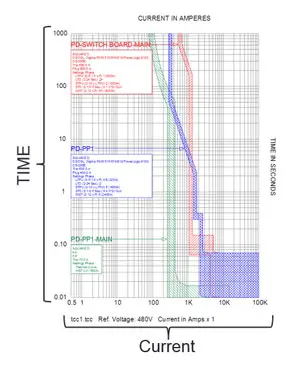
How do I complete an arc flash hazard analysis? Gather data, model short-circuit currents, apply IEEE 1584, calculate incident energy and arc flash boundary, set protective device settings, verify NFPA 70E PPE, and label equipment.   How do I complete an arc flash hazard analysis? How Do I Complete an Arc Flash Hazard Analysis? To complete an arc flash hazard analysis, begin by collecting detailed electrical system data, perform a short circuit and protective device coordination study, then calculate incident energy levels using IEEE 1584. This data helps determine arc flash boundaries and PPE requirements to meet NFPA 70E compliance.…
View more

NFPA 70E Chapter Summary: Structure, Key Articles, and 2024 Changes
NFPA 70E Chapter Summary outlines electrical safety, arc flash risk assessment, PPE categories, approach boundaries, lockout/tagout procedures, training, and maintenance requirements to reduce shock hazards and control energized work practices in industrial and commercial facilities.   Quick Reference: NFPA 70E Chapter Summary NFPA 70E is the leading standard for electrical safety in the workplace, published by the National Fire Protection Association (NFPA). This chapter-by-chapter summary outlines the structure, major articles, and 2024 updates to NFPA 70E, including changes to arc flash labeling, PPE selection, and risk assessment protocols. Whether you’re creating a safety program, training electrical workers, or auditing compliance,…
View more

Arc Flash Warning Label

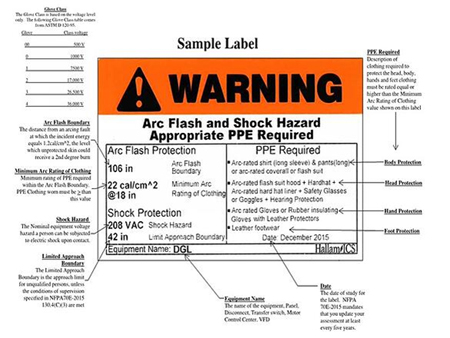
An arc flash warning label guides real-time decisions near energized equipment. It communicates incident energy, arc flash boundary, and PPE context so workers can judge risk, distance, and protection before opening panels or beginning electrical work. An arc flash warning label is more than a sticker on a panel door. For the worker approaching energized equipment, it is often the last piece of information encountered before a decision is made, tools are selected, and working distance is judged. In that moment, the label must do more than exist. It must communicate risk clearly, quickly, and without ambiguity. At its best,…
View more

OSHA Lockout Tagout Requirements Explained
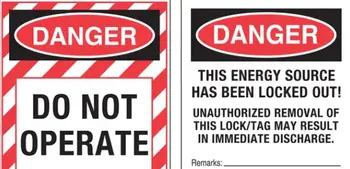
OSHA lockout tagout requirements help prevent accidental energization during maintenance. These rules mandate isolating energy sources, using locks and tags, and training workers. Compliance reduces electrical hazards, ensuring safer work environments in industrial and commercial settings.   What are OSHA Lockout Tagout Requirements? OSHA Lockout Tagout requirements for hazardous energy control, outlined in 29 CFR 1910.147, are designed to prevent injuries caused by the unexpected release of hazardous energy during maintenance. Employers must implement a written energy control program, train authorized personnel, and use approved lockout/tagout devices to ensure compliance. This standard is critical for protecting workers in industrial settings…
View more

Arc Flash Analysis and Labeling Solutions for NFPA 70E
Arc Flash Analysis and Labeling Solutions identify electrical hazards, calculate incident energy, and provide NFPA 70E-compliant labels, ensuring worker safety, proper PPE selection, and OSHA regulatory compliance in industrial environments.   Arc Flash Analysis and Labeling Solutions Explained: What You Need to Know Visit Our NFPA 70E Arc Flash Training Course Visit Our Our CSA Z462 Arc Flash Training Course Arc Flash Analysis and Labeling Solutions Arc Flash Analysis and Labeling Solutions are critical tools for ensuring worker safety in electrical environments. They identify potential arc flash hazards, calculate the severity of those hazards, and produce NFPA 70E-compliant warning labels.…
View more

What is an Affected Employee's Responsibility During LOTO?

Affected employees play a vital role in lockout tagout by recognizing hazardous energy, respecting energy control procedures, and ensuring safe equipment use during servicing or maintenance.   What is an affected employee's responsibility during a lockout tagout? What is an Affected Employee's Responsibility During a Lockout/Tagout? Understanding the role of an affected employee is crucial for maintaining workplace safety during lockout/tagout (LOTO) procedures. An affected employee is someone whose job requires them to operate or use a machine or equipment on which servicing or maintenance is being performed under lockout or tagout, or whose job requires them to work in…
View more
Read All Arc Flash Articles

Arc Flash News


Download the 2026 Electrical Training Catalog

Explore 50+ live, expert-led electrical training courses –

  • Interactive
  • Flexible
  • CEU-cerified