CSA Z462 Arc Flash Training – Electrical Safety Compliance Course
Our customized live online or in‑person group training can be delivered to your staff at your location.

- Live Online
- 6 hours Instructor-led
- Group Training Available
Regular Price:
$249
Coupon Price:
$199
Saudi Arabia solar energy program targets renewable power, electricity generation, and water desalination, cutting gas use. Aramco and Showa Shell plan pilot plants, 1-2 MW, for off-grid communities and energy efficiency.
In This Story
Saudi Arabia's solar program uses renewables for power and desalination, cutting fuel use and boosting gas exports.
- Gas demand rising; production grows 3.6% yearly
- 35% gas for power; 20% for desalination
- Solar cuts costs for power and desalination
Saudi Arabia leads OPEC members in terms of proven oil reserves and has proven gas reserves of 248.3 trillion cubic feet. Saudi Arabia's consumption of petroleum products is growing 5% annually, and gas consumption is growing 7% annually.
However, Minister of Petroleum Ali Al-Naimi reports that the country's oil and gas production is growing only 3.6% annually, even as plans to double generation proceed nationwide.
Saudi Arabia has the highest annual gas consumption of OPEC members. The country uses 35% of all gas consumed for electricity generation and 20% for water desalination. The remainder is used for petrochemical manufacturing and other domestic industries.
The difference between the country's production and consumption has encouraged the Saudi energy sector to begin developing alternative sources of energy to achieve energy sustainability. The use of alternative forms of energy will also lead to an increase in petroleum and natural gas exports. Dr. Turki bin Saud bin Mohammad, vice president of the King Abdulaziz City for Science and Technology, said, "The solar-energy program will reduce the cost of producing desalinated water and of generating power for use in the Kingdom, an oil-dependent nation, which has launched a national energy efficiency program recently in the Kingdom."
Saudi Arabia would like to apply solar energy primarily toward electricity generation and water desalination, while also looking to nuclear power to meet local demand. The sun emits 7,000 watts of energy per square meter for an average of 12 hours per day in the country.
A demonstration program to exploit solar energy was developed at King Abdallah University to meet the water and electricity requirements in the student housing buildings through solar power.
Furthermore Japanese oil refiner Showa Shell Sekiyu and Saudi Arabian state oil company Saudi Aramco (Riyadh) are interested in constructing their own solar demonstration projects to build a joint venture commercial plant.
Showa-Shell-Aramco will build a pilot plant next year to conduct studies on the project, as the SEC investment plan advances across the grid, which involves building a series of facilities with a generation capacity of 1 to 2 megawatts to serve Saudi communities that do not have access to electricity networks.
Related News
Related News

Government of Canada Invests in the Future of Work in Today's Rapidly Changing Electricity Sector
EHRC National Occupational Standards accelerate workforce readiness for smart grids, renewable energy, digitalization, and automation,…
View more
U.S. Launches $250 Million Program To Strengthen Energy Security For Rural Communities
DOE RMUC Cybersecurity Program supports rural, municipal, and small investor-owned utilities with grants, technical assistance,…
View more
IEA: Asia set to use half of world's electricity by 2025
Asia Electricity Consumption 2025 highlights an IEA forecast of surging global power demand led by…
View more
UK National Grid Commissions 2GW Substation
UK 2-GW Substation strengthens National Grid power transmission in Kent, enabling offshore wind integration, voltage…
View more
Explainer: Why nuclear-powered France faces power outage risks
France Nuclear Power Outages threaten the grid as EDF reactors undergo stress corrosion inspections, maintenance…
View more
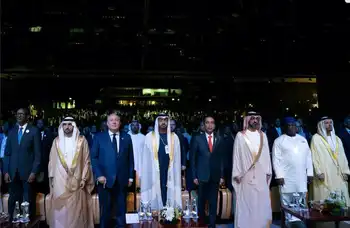
Want Clean And Universal Electricity? Create The Incentives To Double The Investment, World Leaders Say
IRENA Climate Investment Platform accelerates renewable energy financing through de-risking, bankable projects, and public-private partnerships,…
View more
Sign Up for Electricity Forum’s Newsletter
Stay informed with our FREE Newsletter — get the latest news, breakthrough technologies, and expert insights, delivered straight to your inbox.
Electricity Today T&D Magazine Subscribe for FREE

Stay informed with the latest T&D policies and technologies.
- Timely insights from industry experts
- Practical solutions T&D engineers
- Free access to every issue
