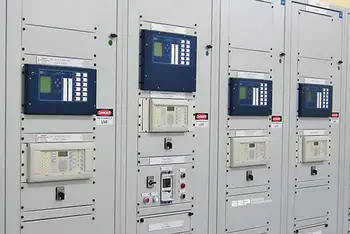
Protective Relay Training - Basic
Our customized live online or in‑person group training can be delivered to your staff at your location.
- Live Online
- 12 hours Instructor-led
- Group Training Available
Regular Price:
$699
Coupon Price:
$599
The chance of a severe 2009 hurricane season continues to fade, according to the most recent forecasts, a potential break from recent years when violent storms smashed in the Gulf Coast and sent energy prices spiking.
Even if a storm does hit the nation's energy complex, which runs from the deepwater drilling platforms in the Gulf to facilities along the shores of Texas and Louisiana, energy experts say falling demand and excess capacity would likely mean fuel supplies will not be seriously disrupted.
Colorado State University trimmed its hurricane prediction from six to five, and the number of named storms from 12 to 11.
The team at Colorado State is headed by William Gray, who pioneered the field of storm season forecasts.
The National Oceanic and Atmospheric Administration said late last month that the 2009 Atlantic hurricane season, which began June 1, should be near-normal, with a good chance of four to seven hurricanes. One to three of those storms could be major, NOAA said.
Predicting hurricanes is tricky, however. In 1989, Gray forecast a relatively mild hurricane season. That year, seven hurricanes and four tropical storms killed 84 people in the U.S. In 2005, Gray's team forecast eight hurricanes. There were 15 hurricanes, including Katrina and Rita.
The two seasons after Katrina were mild, despite forecasts for more violent weather.
Last year, hurricanes Gustav and Ike — both category four storms — destroyed 60 oil and gas platforms in the Gulf of Mexico and disrupted fuel supplies to much of the Southeast. The damage to major utilities from Texas to New England was severe, however, knocking out power to millions.
Utilities spent billions cleaning up.
This year, even if a hurricane knocked out refineries along the northern Texas coast, which account for about 20 percent of U.S. gas production, refineries in Louisiana and elsewhere would likely pick up the slack.
That is not to say prices would not rise in anticipation of a storm. The price of crude has jumped nearly $20 over the past month and has passed $69 per barrel for the first time since early November.
Energy markets can trade on anticipation of a direct hit, and prices can rise even before a storm enters the Gulf.
Related News
Ford's Washington Meeting: Energy Tariffs and Trade Tensions with U.S
Ontario-U.S. Energy Tariff Dispute highlights cross-border trade tensions, retaliatory tariffs, export surcharges, and White House…
View more
Crucial step towards completing nuclear plant achieved in Abu Dhabi
Barakah Unit 4 Cold Hydrostatic Testing validates reactor coolant system integrity at the Barakah Nuclear…
View more
As Maine debates 145-mile electric line, energy giant with billions at stake is absent
Hydro-Quebec NECEC Transmission Line faces Maine PUC scrutiny over clean energy claims, greenhouse gas emissions,…
View more
How Ukraine Will Keep the Lights On This Winter
Ukraine Winter Energy Strategy strengthens the power grid through infrastructure repairs, electricity imports, renewable integration,…
View more

California’s Solar Power Cost Shift: A Misguided Policy Threatening Energy Equity
California Rooftop Solar Cost Shift examines PG&E rate hikes, net metering changes, and utility infrastructure…
View more
Switch from fossil fuels to electricity could cost $1.4 trillion, Canadian Gas Association warns
Canada Electrification Costs: report estimates $580B-$1.4T to scale renewable energy, wind, solar, and storage capacity…
View more
Sign Up for Electricity Forum’s Newsletter
Stay informed with our FREE Newsletter — get the latest news, breakthrough technologies, and expert insights, delivered straight to your inbox.
Electricity Today T&D Magazine Subscribe for FREE

Stay informed with the latest T&D policies and technologies.
- Timely insights from industry experts
- Practical solutions T&D engineers
- Free access to every issue
