CSA Z463 Electrical Maintenance -
Our customized live online or in‑person group training can be delivered to your staff at your location.

- Live Online
- 6 hours Instructor-led
- Group Training Available
Regular Price:
$249
Coupon Price:
$199
Biomass Energy reduces emissions for utilities via renewable, carbon-neutral power, co-firing wood pellets with coal, supporting decarbonization, grid reliability, and timberland markets as Southern Company, Duke Energy, and Oglethorpe expand biomass plants.
Top Insights
Biomass energy makes power from wood fuels, enabling carbon-neutral co-firing as utilities meet emissions rules.
- Wood burned for steam-turbine power; regrowth offsets carbon.
- Co-firing wood pellets with coal cuts CO2 in existing units.
- Southern, Duke/Adage, Oglethorpe plan large biomass capacity.
- Compliance with clean energy rules raises ratepayer bills.
- Rising wood demand may boost timberland asset values.
Solar power doesn't work at night. Wind power needs wind. Hydro runs into droughts. Geothermal works great, but it's scarce.
Alternative energies are a pain in the neck. They're expensive and inconvenient. "Biomass" is America's newest alternative power source. It doesn't have any of these problems.
With a market cap of $26 billion, Southern Company is one of the largest electric utilities in the world. In November, Southern Company broke ground on a new biomass power plant in Texas. This biomass plant, when complete, will be the largest biomass plant in America as wood power makes a comeback across the industry.
Duke Energy is another gigantic electric utility, with a market cap of $22 billion. Last year, Duke Energy entered into a joint partnership with Areva, the giant French engineering company, to build a portfolio of biomass plants. They named this joint venture Adage Biopower. Adage recently announced the location of its second biomass plant, while a Bend biomass plant is being planned by a forest-products firm as well.
And what about Oglethorpe Power. With $6 billion in assets, this is the nation's largest power cooperative. Last year, Oglethorpe announced it will build three new biomass plants.
So what the heck is biomass and why is it getting so much attention from the world's largest utilities?
If it's cold outside and you have a fire burning in your living room, then you're using "biomass energy." When people talk about biomass power, they're almost always referring to the process of using wood as a fuel to generate electricity from wood waste in many operations. You burn the wood, the heat turns water into steam, steam drives a turbine, and electricity results.
Using wood to generate electricity is clumsy. Wood is bulky and hard to gather. It needs extensive treatment before you can burn it. Transportation is a pain. And most importantly, wood has other major industrial applications... like making paper and construction materials... so it's expensive.
For these reasons, biomass is not a significant source of electricity, accounting for about 1% of electricity generation in America, and some analyses argue that wood power can pollute more than coal under certain conditions. Coal is the best energy source for generating power. Burning coal produces 50% of America's electricity.
The thing is, the government is waging a war on carbon dioxide. To force its agenda, the government wants to set up all kinds of taxes, subsidies, and regulations, even as renewable wood power draws scrutiny from critics, to make us burn less coal and use more carbon-friendly energy sources in its place like hydro, wind, solar, geothermal... and biomass.
Government bureaucrats consider biomass energy a green energy because trees consume carbon. When you burn a tree, you release that carbon into the atmosphere. But the tree you replant in its place sucks the carbon back in. Therefore, as long as you replace the trees you burn, biomass energy is "carbon neutral" and you get the green light.
Starting soon, the major utilities are going to have to pay big fines to the government if they don't generate enough "carbon neutral" electricity, and any biomass breakthroughs that improve economics will be rapidly adopted. They're scrambling to install as much alternative energy capacity as they can.
It turns out, despite its clumsiness, biomass fuel is the best choice for a utility to reduce its greenhouse gas emissions. Many utilities won't even bother building new biomass plants, and a prominent coal plant looking to biomass illustrates the trend, as they'll simply mix wood pellets with coal dust and blow the mixture into their existing furnaces.
You and I will pay for these changes through our electric bills. To help compensate my readers for this cost, I'm searching for timberland investments. The more wood the power industry burns, the more timberland values are going to rise.
I don't have any timberland companies in my portfolio at the moment. I'm just getting started on my research. I'll let you know when I find something.
Related News
Related News

National Energy Board hears oral traditional evidence over Manitoba-Minnesota transmission line
Manitoba-Minnesota Transmission Line connects Bipole III to Minnesota, raising export capacity, as NEB hearings weigh…
View more
Britons could save on soaring bills as ministers plan to end link between gas and electricity prices
UK Electricity-Gas Price Decoupling aims to reform wholesale electricity pricing under the Energy Security Bill,…
View more

How Canada can capitalize on U.S. auto sector's abrupt pivot to electric vehicles
Canadian EV Manufacturing is accelerating with GM, Ford, and Project Arrow, integrating cross-border supply chains,…
View more

3-layer non-medical masks now recommended by Canada's top public health doctor
Canada Three-Layer Mask Recommendation advises non-medical masks with a polypropylene filter layer and tightly woven…
View more
Global electric power demand surges above pre-pandemic levels
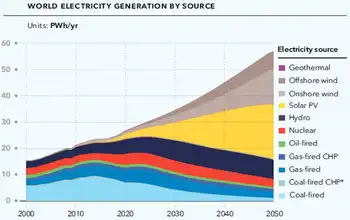
Global Power Sector CO2 Surge 2021 shows electricity demand outpacing renewable energy, with coal and…
View more
Ontario Launches Peak Perks Program
Ontario Peak Perks Program boosts energy efficiency with smart thermostats, demand response, and incentives, reducing…
View more
Sign Up for Electricity Forum’s Newsletter
Stay informed with our FREE Newsletter — get the latest news, breakthrough technologies, and expert insights, delivered straight to your inbox.
Electricity Today T&D Magazine Subscribe for FREE

Stay informed with the latest T&D policies and technologies.
- Timely insights from industry experts
- Practical solutions T&D engineers
- Free access to every issue

