CSA Z462 Arc Flash Training – Electrical Safety Compliance Course
Our customized live online or in‑person group training can be delivered to your staff at your location.

- Live Online
- 6 hours Instructor-led
- Group Training Available
Regular Price:
$249
Coupon Price:
$199
Central China power shortage deepens as peak load nears 100 GW, straining State Grid amid hydropower deficits, coal supply disputes, tariff caps, and transmission bottlenecks, prompting power rationing in Chongqing, Henan, and Hubei.
A Closer Look
An 8% shortfall on 100 GW peak demand, tied to coal costs, tariff caps, and grid bottlenecks across central provinces.
- Shortfall equals 8% of a 100 GW December peak load.
- Provinces: Chongqing, Henan, Hubei, Hunan, Jiangxi, Sichuan.
- Power rationing started in early to late December.
- Coal plants hold about 15 days of stock, above critical.
Power shortages in provinces covered by the central China grid will rise to 8 gigawatts GW in January, the State Grid News reported, echoing earlier industry warnings.
The shortfall would be 8 percent of the peak load of about 100 GW in December in the hydropower-rich region.
Provinces covered by the central China grid include Chongqing, Henan, Hubei, Hunan, Jiangxi and Sichuan. These provinces had 187 GW of power generating capacity at the end of 2009, of which hydropower accounted for nearly 40 percent, and have experienced power grid shutdowns during shortages.
The winter-spring power supply situation would be unusually grim, recalling the dire need of electricity in 2004, as northern Shanxi and Shaanxi provinces, which normally supply electricity to central China in winter, were themselves short of power, the newspaper report said.
The newspaper, which is run by the State Grid Corp of China, the country's grid operator in 26 of 31 provinces, did not provide current power shortage figures.
Power rationing had been in place in Chongqing since December 2, Henan since December 16 and Hubei since December 22.
Chinese power companies, facing stiff power tariffs set by the government, lack incentives to build up coal inventories and increase generation when coal costs surge and they operated in the red.
Insufficient coal transportation and power distribution capacity also impeded energy flows, triggering power rationing when demand increased on either hot or chilly temperatures across the region.
Power companies often blamed coal shortages for power crunches and look for government intervention on coal supplies, but coal miners have insisted coal production is ample and power companies are unwilling to pay market prices.
Jiang Zhimin, general secretary of the China Coal Industry Association was quoted by the Beijing Times newspaper as saying that coal inventories in major power plants across the country were sufficient for 15 days of generation as of December 26, above the critical level of 10 days' combustion.
"China is not short of coal... widespread power shortages are unlikely," Jiang was quoted as saying.
He said coal company profit margins were normal, in an apparent effort to refute power industry claims that coal miners were profiteering at the expense of power companies.
Related News
Related News
Nova Scotia regulator approves 14% electricity rate hike, defying premier
Nova Scotia Power Rate Increase 2023-2024 approved by the UARB lifts electricity rates 14 percent,…
View more
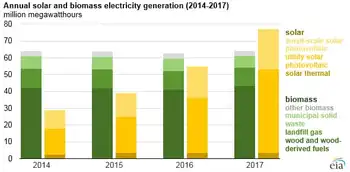
Solar Becomes #3 Renewable Electricity Source In USA
U.S. Solar Generation 2017 surpassed biomass, delivering 77 million MWh versus 64 million MWh, trailing…
View more
UK breaks coal free energy record again but renewables still need more support
UK Coal-Free Grid Streak highlights record hours without coal, as renewable energy, wind and solar…
View more
Rio Tinto seeking solutions that transform heat from underground mines into electricity
Rio Tinto waste heat-to-electricity initiative captures underground mining thermal energy at Resolution Copper, Arizona, converting…
View more
Hydro One and Alectra announce major investments to strengthen electricity infrastructure and improve local reliability in the Hamilton area
Hydro One and Alectra Hamilton Grid Upgrades will modernize electricity infrastructure with new transformers, protection…
View more
Heathrow Airport Power Outage: Vulnerabilities Flagged Days Before Disruption
Heathrow Airport Power Outage 2025 disrupted operations with mass flight cancellations and diversions after a…
View more
Sign Up for Electricity Forum’s Newsletter
Stay informed with our FREE Newsletter — get the latest news, breakthrough technologies, and expert insights, delivered straight to your inbox.
Electricity Today T&D Magazine Subscribe for FREE

Stay informed with the latest T&D policies and technologies.
- Timely insights from industry experts
- Practical solutions T&D engineers
- Free access to every issue

