Arc Flash

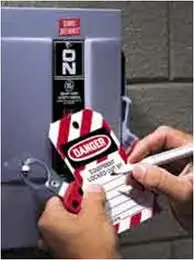
Lockout Tagout Training

Lockout Tagout Training enables electrical engineers to implement OSHA-compliant energy isolation, NFPA 70E practices, arc flash hazard controls, de-energization procedures, and verified zero energy state before maintenance, troubleshooting, or commissioning tasks.   Understanding Lockout Tagout Training for Compliance with NFPA 70E Effective lockout tagout training is more than just a regulatory requirement—it's a critical component of a robust safety culture. Under OSHA 1910.147(c)(7), employers are responsible for ensuring that employees are trained to understand and safely apply energy control procedures. For safety managers and EHS professionals, this means developing a structured, role-specific educational program that evolves with your equipment, processes, and workforce.…
View more

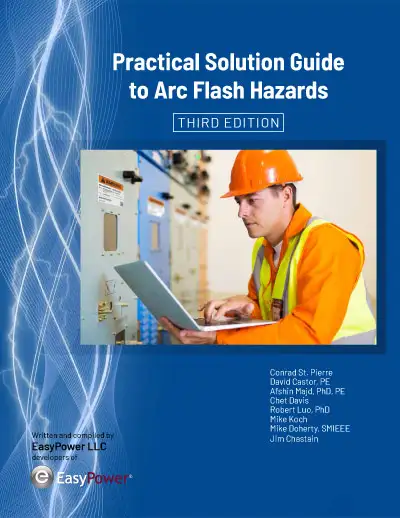
Download Our FREE Arc Flash Handbook

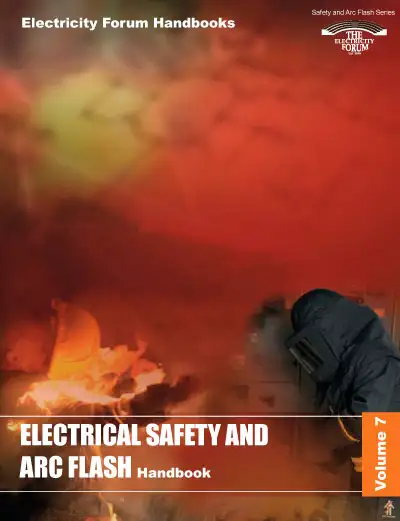
Electrical Safety and Arc Flash Handbook, Vol. 7

Due to high demand, the Arc Flash Volume 7 safety handbook is bigger and better than ever.

Volume 7 covers critical topics ranging from hazard identification, risk assessment, and the development of effective safety programs, to the detailed methods of arc flash analysis, protective equipment selection, and electrical safety standards compliance. We explore both the theoretical foundations and practical applications of electrical safety, providing engineers, safety professionals, and technicians with the knowledge to safeguard lives, reduce downtime, and ensure regulatory compliance.

As electrical safety continues to evolve with technological advancements, this handbook reflects the latest trends, tools, and standards, empowering professionals to implement the most effective safety measures. Whether you're managing an electrical safety program or working directly with electrical systems, this volume will guide you through essential strategies for minimizing risk and optimizing safety protocols.

We hope this edition will serve as an invaluable resource, helping you create safer work environments and reduce the ever-present risks associated with electrical systems and arc flash events.


Latest Arc Flash Articles
High-Voltage Electrician
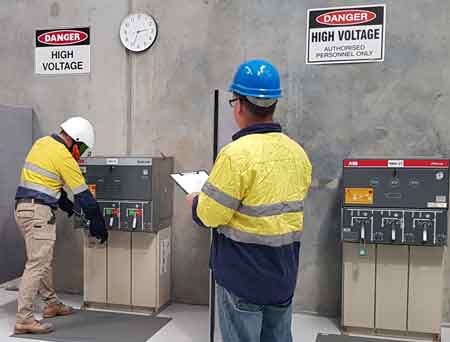
A High Voltage Electrician installs, maintains, and repairs medium and high-voltage power lines, substations, and electrical systems above 1 kV, ensuring grid reliability, safety, and compliance with utility and industry standards.   High Voltage Electrician: Real-World Examples and Uses NFPA 70E Arc Flash Training CSA Z462 Arc Flash Training Request a Free Training Quotation High-voltage electricians are highly skilled professionals who work with extremely dangerous electrical power to ensure the safe operation of electrical systems. They are responsible for the installation, maintenance, and repair of high-voltage equipment, such as power lines, transformers, and switchgear. Understanding the responsibilities and risks associated…
View more

What is Electrical Arcing?

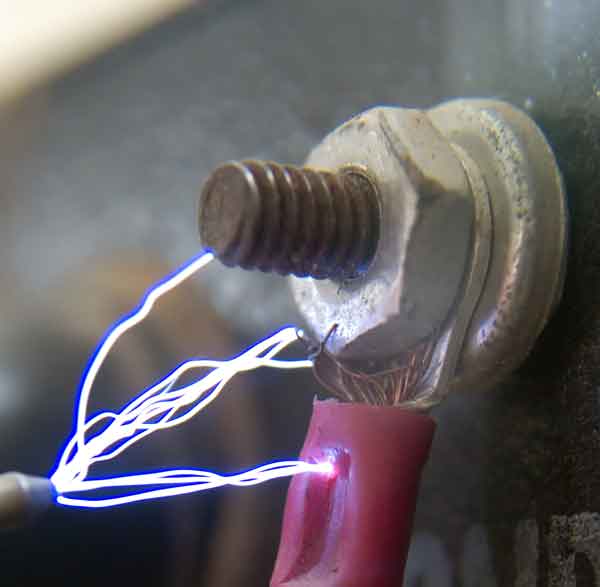
Electrical arcing is not merely a visible discharge. It is a structural failure of electrical integrity that signals insulation breakdown, connection instability, or contamination severe enough to let current abandon its intended path. When it occurs, equipment damage is already underway, and the probability of escalation into arc flash conditions increases rapidly. Electrical arcing occurs when electrical current jumps through air between conductors or to ground, releasing extreme heat, intense light, and localized mechanical force. Unlike a brief spark, an arc sustains itself once air becomes ionized, allowing continuous current flow that erodes metal, carbonizes insulation, and destabilizes protective coordination.…
View more

Arc Flash Blast Explosion – NFPA 70E Pressure and Overpressure
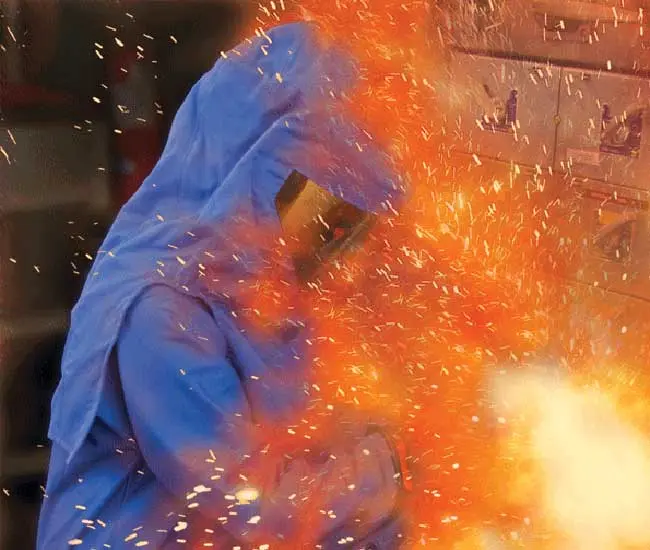
An arc flash blast explosion releases intense heat and pressure within milliseconds, hurling molten metal and gas with deadly force. NFPA 70E safety training and proper PPE are essential to prevent severe burns, equipment damage, and hearing injuries.   Understanding Arc Flash, Blast, and Explosion in Electrical Safety Unlike a simple short circuit, an arc blast releases both thermal and mechanical energy. The rapid rise in pressure—sometimes hundreds of pounds per square inch—can rupture switchgear doors and ignite fires in surrounding equipment. For a broader discussion of electrical explosion hazards, see our Electrical Explosion page.  NFPA 70E Arc Flash Training…
View more

Arc Flash Kit: Essential Protection
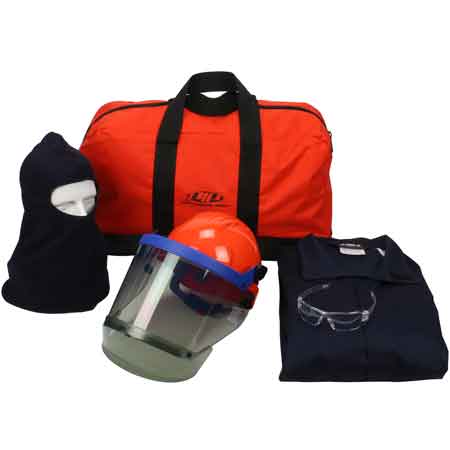
Arc flash kit provides PPE engineered for electrical safety, including arc-rated clothing, face shield, balaclava, rubber gloves, and tools, meeting NFPA 70E and CAT ratings to mitigate arc energy (cal/cm²) and shock risk.   Understanding an Arc Flash Kit for Compliance with NFPA 70E An arc flash kit is an essential piece of safety equipment for electrical workers, offering critical protection in environments where electrical hazards are present. These kits are specifically designed to provide arc flash ppe, including arc flash protection clothing that shields workers from the severe risks associated with arc flash incidents, such as burns and serious…
View more

ATPV - Arc Thermal Performance Value
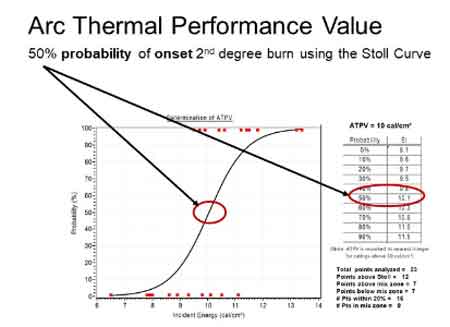
ATPV defines how much arc flash incident energy arc-rated clothing can withstand before burn injury is likely. Measured in cal/cm², it guides PPE selection, arc flash risk assessment, and compliance with NFPA 70E and CSA Z462 standards. ATPV, or Arc Thermal Performance Value, is a practical safety rating used to describe how well arc-rated clothing protects workers during an arc flash event. Rather than being an abstract laboratory number, it represents a real-world threshold where heat exposure becomes likely to cause injury. Understanding ATPV helps electricians, engineers, and safety managers make informed decisions about personal protective equipment and energized work.…
View more

NFPA 70E Was Originally Developed at OSHA's Request to Address Electrical Hazards

NFPA 70E was originally developed at OSHA’s request to address electrical safety in the workplace, specifically arc flash and shock hazards. It outlines standards for safe work practices, PPE, and risk assessments to reduce injuries in industrial and commercial electrical environments.   Principles of NFPA 70E, Originally Developed at OSHA's Request NFPA 70E was originally developed at OSHA's request to improve electrical safety in the workplace. Let's explore the specific workplace hazards that prompted OSHA to request the development of NFPA 70E, the influence of OSHA's request on the standard, key electrical safety concerns addressed, the evolution of the standard, and…
View more
Read All Arc Flash Articles

Arc Flash News


Download the 2026 Electrical Training Catalog

Explore 50+ live, expert-led electrical training courses –

  • Interactive
  • Flexible
  • CEU-cerified