Protective Relay Training - Basic
Our customized live online or in‑person group training can be delivered to your staff at your location.
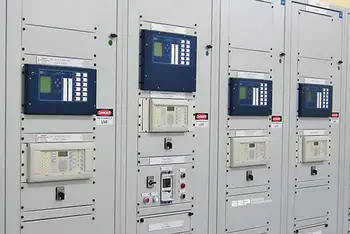
- Live Online
- 12 hours Instructor-led
- Group Training Available
Regular Price:
$699
Coupon Price:
$599
As the Harper government ponders a bailout to the Canadian branches of the Big Three automakers, it should take a close look at a new report on the prospects for expanding the use of electric-powered vehicles.
The electric vehicle task force, set up by the federal government a year ago, is in the final stages of a report that will outline steps to enable wider usage of plug-in electric vehicles for commuting and moving goods.
The timing is fortuitous. If the intent of any bailout is to buy change in the auto industry as much as to save jobs, the government will find some useful directions for the future in that report. Both Ford and General Motors, along with the Canadian Auto Workers Union, are part of the task force that includes experts in technology and electricity companies.
As if we needed any convincing that change is already in the air, consider GM's new advertising campaign. Portraying itself as "the company that has changed," GM promotes itself as hybrid friendly with its plug-in, electric-gas hybrid, highway-capable vehicle, the Chevy Volt.
Even in this province awash in oil, there is growing awareness that when gasoline prices go up again, as they inevitably will, consumers will want some choice about what they drive - electric motor or internal combustion engine. That choice is widely available in the U.S. and Europe, especially in urban areas where low-speed electric vehicles legally run on public streets.
Not so in Canada. Here, low-speed electric vehicles are banned from public roads by Transport Canada safety regulations, though Quebec is now allowing LSVs on a trial basis on city streets. Mostly, federal and provincial regulations have stymied the development of the fledgling homegrown electric vehicle industry. The handful of small manufacturers, such as Toronto-based ZENN, sell all their LSV compact vehicles south of the border. (As well, the only fully electric, highway-capable car, the Tesla, built in California, is not available in Canada.)
There are many reasons to encourage the growth of plug-in technology. It would give Canada a boost into the low-carbon technology of the future, and shifting even part of the national fleet to electric vehicles will still leave plenty of demand for Alberta oil. It is an effective way to reduce air pollution, especially in cities. It will reduce greenhouse gas emissions from consumers who must also play a role fighting climate change.
How much wiser to take a cue from the San Francisco Bay area. This month, a group of cities there joined forces to build an ambitious network of recharging outlets and a fleet of electric cars. Drivers subscribe to a certain number of miles a month - not unlike a cellphone. Similar networks are running in Europe. Or how about London, where slow-speed electric vehicles are encouraged by exempting them from the city centre congestion fee?
Baby steps are happening. Vancouver is requiring plug-ins for electric cars in new garages, for instance. But the federal government needs to open up space for innovation on a national scale. Canadian technology could help lead the way.
Related News
Lack of energy: Ottawa’s electricity consumption drops 10 per cent during pandemic
Ottawa Electricity Consumption Drop reflects COVID-19 impacts, with Hydro Ottawa and IESO reporting 10-12% lower…
View more
Coal demand dropped in Europe over winter despite energy crisis
EU Winter Energy Mix 2022-2023 shows renewables, wind, solar, and hydro overtaking coal and gas,…
View more

Sask. sets new record for power demand
SaskPower Summer Power Demand Record hits 3,520 MW as heat waves drive electricity consumption; grid…
View more
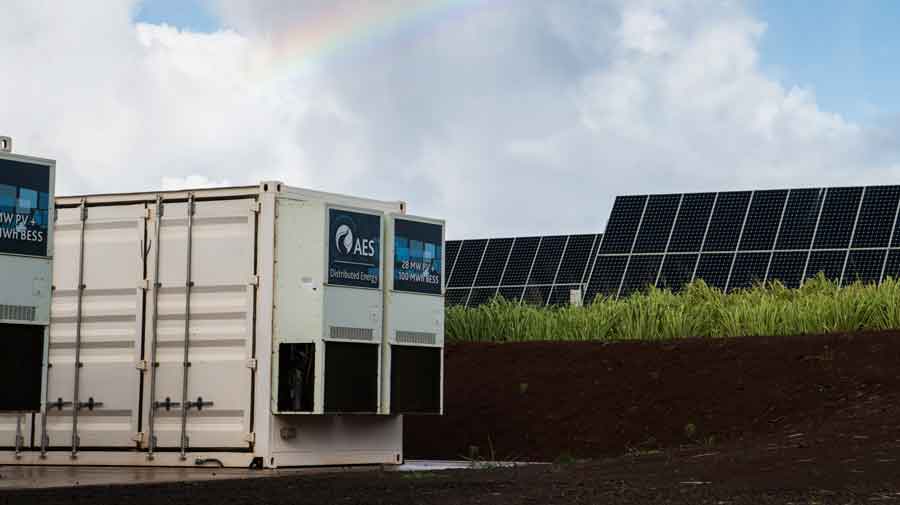
Ontario to Rely on Battery Storage to Meet Rising Energy Demand
Ontario Battery Energy Storage anchors IESO strategy, easing peak demand and boosting grid reliability. Projects…
View more
Franklin Energy and Consumers Energy Support Small Businesses During COVID-19 with Virtual Energy Coaching
Consumers Energy Virtual Energy Coaching connects Michigan small businesses with remote efficiency experts to cut…
View more
It's CHEAP but not necessarily easy: Crosbie introduces PCs' Newfoundland electricity rate reduction strategy
Crosbie Hydro Energy Action Plan outlines rate mitigation for Muskrat Falls, leveraging Nalcor oil revenues,…
View more
Sign Up for Electricity Forum’s Newsletter
Stay informed with our FREE Newsletter — get the latest news, breakthrough technologies, and expert insights, delivered straight to your inbox.
Electricity Today T&D Magazine Subscribe for FREE
Stay informed with the latest T&D policies and technologies.
- Timely insights from industry experts
- Practical solutions T&D engineers
- Free access to every issue