High Voltage Maintenance Training Online
Our customized live online or in‑person group training can be delivered to your staff at your location.
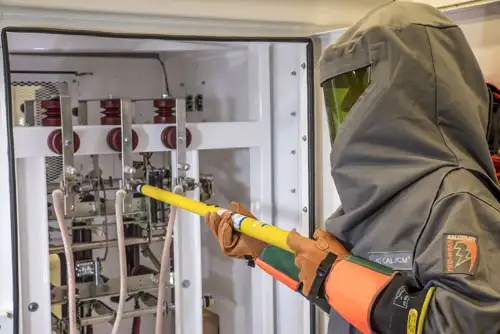
- Live Online
- 12 hours Instructor-led
- Group Training Available
Regular Price:
$599
Coupon Price:
$499
From cell phone chargers to hot tubs, Long Islanders' high-tech gadgets and extravagances are causing electric bills to skyrocket, a new Long Island Power Authority survey says.
From 1997 to 2003, average household electric usage jumped a whopping 20.4 percent in Nassau and Suffolk, according to an annual survey released by the LIPA.
"We're seeing an explosion in the use of electricity in homes here on Long Island," said LIPA Chairman Richard Kessel.
And while Kessel encouraged Long Island's 2.81 million residents to seek out energy-saving appliances, he also acknowledged that the nonprofit LIPA needs to change if it wants to keep up with Long Island's ballooning power needs.
"We've got to keep up with the growth of the use of electricity," he said. "For all we've done, it's not enough."
The usage data - a first in the annual population study - shed light on how average households have been transformed by technological advances from 1997 to 2003.
Ever-expanding homes accounted for the largest chunk of the increased consumption. Houses have grown by an average of 150 square feet - or 25 square feet per year - which bumps lighting usage up 274 kilowatt hours annually.
More than 18 percent of the total household increase can be pinned on air conditioners, while wide-screen TVs and other forms of entertainment were responsible for 16 percent of the increase.
Personal computers, cell phone chargers, answering machines and even hot tubs added to the usage spike.
Though Kessel asked consumers to seek out efficient Energy Star products - which could result in a rebate from LIPA - he wasn't simply blaming energy consumers.
Kessel acknowledged that the nonprofit needs to explore more renewable energy sources to keep up with consumption, such as relying more on power garnered from the sun, wind or fuel cells.
"I believe we have to make those investments," he said.
Related News
Hydro One deal to buy Avista receives U.S. antitrust clearance
Hydro One-Avista Acquisition secures U.S. antitrust clearance under Hart-Scott-Rodino, pending approvals from state utility commissions,…
View more

Demand for electricity in Yukon hits record high
Yukon Electricity Demand Record underscores peak load growth as winter cold snaps drive heating, lighting,…
View more
Biden's Announcement of a 100% Tariff on Chinese-Made Electric Vehicles
U.S. 100% Tariff on Chinese EVs aims to protect domestic manufacturing, counter subsidies, and reshape…
View more
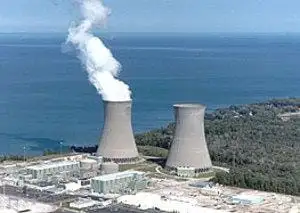
What's at stake if Davis-Besse and other nuclear plants close early?
FirstEnergy Nuclear Plant Closures threaten Ohio and Pennsylvania jobs, tax revenue, and grid stability, as…
View more

Starved of electricity, Lebanon picks Dubai's ENOC to swap Iraqi fuel
Lebanon-ENOC Fuel Swap secures Iraqi high sulphur fuel oil, Grade B fuel oil, and gasoil…
View more
Why Atomic Energy Is Heating Up Again
Nuclear Power Revival drives decarbonization, climate change mitigation, and energy security with SMRs, Generation IV…
View more
Sign Up for Electricity Forum’s Newsletter
Stay informed with our FREE Newsletter — get the latest news, breakthrough technologies, and expert insights, delivered straight to your inbox.
Electricity Today T&D Magazine Subscribe for FREE

Stay informed with the latest T&D policies and technologies.
- Timely insights from industry experts
- Practical solutions T&D engineers
- Free access to every issue

