CSA Z463 Electrical Maintenance -
Our customized live online or in‑person group training can be delivered to your staff at your location.
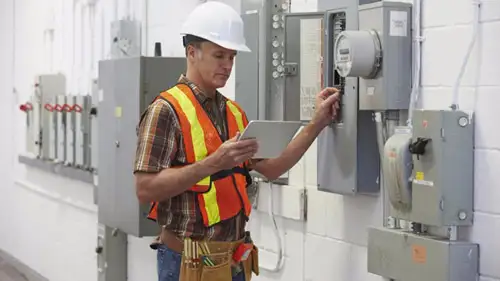
- Live Online
- 6 hours Instructor-led
- Group Training Available
Regular Price:
$249
Coupon Price:
$199
Toronto-based Stuart Energy Systems Corp. and global oil giant Shell have struck a partnership to develop technology that would enable consumers to refuel hydrogen-powered cars at home.
Shell Hydrogen, a unit of the Royal Dutch/Shell Group, announced yesterday it had signed a marketing and technology development agreement with Stuart's Vandenborre Technologies of Belgium.
Financial terms were not disclosed.
Stuart is a developer of hydrogen fuelling stations and equipment. Vandenborre, recently acquired by Stuart for $10 million, builds equipment that produces hydrogen by passing electricity through water in a process known as electrolysis.
The technology is currently sold to customers in the industrial, transportation and power markets.
Vandenborre had been working on a relationship with Shell in Europe before being acquired by Stuart, said Tony Dundas, Stuart's chief financial officer.
"They had an edge on us in terms of developing that relationship, although it's been of interest to us for a long time as well," Dundas said in an interview, noting that Stuart benefits from Vandenborre's "better positioning" in the European market.
Yesterday's agreement gives Shell Hydrogen access to Vandenborre's electrolysis technology, which holds out the promise of hydrogen-fuelled cars getting overnight refills in residential garages.
Vandenborre's equipment converts water into a slow stream of hydrogen, emitting only oxygen.
Dundas said the equipment could also be used to fuel fleets of taxis, couriers and other commercial vehicles.
Field testing of a prototype of the home-hydrogen equipment is to begin within a year, initially targeting the European market.
Stuart is counting on widespread future use of hydrogen in vehicles using either fuel cells or internal combustion engines.
However, there's no certainty vehicles that run on hydrogen will be widely available within the next decade.
Related News

Ontario government wants new gas plants to boost electricity production
Ontario Gas Plant Expansion aims to boost grid reliability as nuclear refurbishments proceed, using natural…
View more

Climate change: Greenhouse gas concentrations again break records
Rising Greenhouse Gas Concentrations drive climate change, with CO2, methane, and nitrous oxide surging; WMO…
View more

As Alberta electricity generators switch to gas, power price cap comes under spotlight
Alberta Energy-Only Electricity Market faces capacity market debate, AESO price cap review, and coal-to-gas shifts…
View more
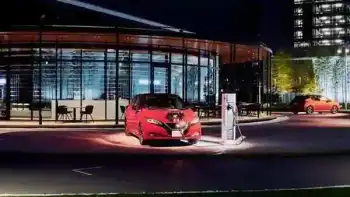
Nissan accepting electricity from EVs as payment for parking
Nissan V2G Parking lets EV drivers pay with electricity via bidirectional charging at the Yokohama…
View more
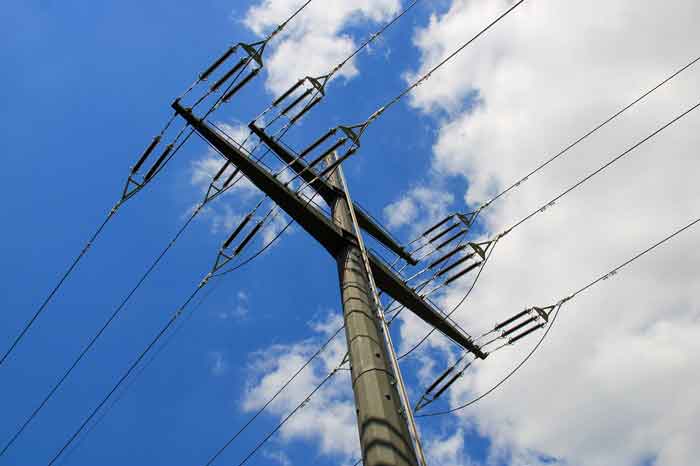
A New Era for Churchill Falls: Newfoundland and Labrador Secures Billions in Landmark Deal with Quebec
Churchill Falls NL-Quebec Agreement boosts hydropower revenues, revises power purchase pricing, expands transmission lines, and…
View more

Notley announces plans to move Alberta's electricity grid to net-zero by 2035 if elected
Alberta NDP Net-Zero Electricity Plan targets a 2035 clean grid, expands renewable energy, cuts emissions,…
View more
Sign Up for Electricity Forum’s Newsletter
Stay informed with our FREE Newsletter — get the latest news, breakthrough technologies, and expert insights, delivered straight to your inbox.
Electricity Today T&D Magazine Subscribe for FREE

Stay informed with the latest T&D policies and technologies.
- Timely insights from industry experts
- Practical solutions T&D engineers
- Free access to every issue

