NFPA 70E Training
Our customized live online or in‑person group training can be delivered to your staff at your location.

- Live Online
- 6 hours Instructor-led
- Group Training Available
Regular Price:
$199
Coupon Price:
$149
Ameren's top manager in Illinois says the state's electricity system faces a meltdown - with sky-high price shocks for consumers - if lawmakers derail plans for an auction system allowing utilities to buy power on the wholesale market.
Ameren Illinois President Scott Cisel says extending a current rate freeze would plunge Ameren's utilities - AmerenIP, AmerenCIPS and AmerenCILCO - into financial turmoil and threaten them with insolvency.
"A continued rate freeze would just be catastrophic," he added.
At issue: Illinois residential consumers have seen their electricity rates frozen for the last 10 years, supposedly to allow the development of a competitive power market, where rival companies would compete to supply your electricity. Some big businesses do benefit from dueling power companies, but for everyone else, competition never showed up. Some legislators say we should now extend the rate freeze while the hunt goes on for a longer-term fix.
If the current rate freeze ends as scheduled on Jan. 1, Illinois families will be faced with paying current market rates for their power. Estimates say bills could jump by margins ranging from 25 percent to a staggering 50 percent-plus.
Ameren and ComEd up in Chicago have come up with a reverse auction plan to buy power on the wholesale markets from competing suppliers, a system they claim - but others dispute - will produce the best deregulated prices for consumers. The Illinois Commerce Commission, which regulates the power market, has approved the plan. Others are strongly opposed, most notably some legislators, Gov. Rod Blagojevich and a major consumer watchdog group. Illinois Attorney General Lisa Madigan has also filed suit to block it.
But Cisel insists the auction process is the best way forward. Ameren also wants it to go hand-in-hand with new legislation allowing it to phase in the big power price hikes over 10 years. Ameren would, in the meantime, sell bonds to recoup the difference between what consumers are paying and actual market prices. A separate charge on customer bills would gradually let Ameren pay off the bonds and recover all its costs.
"We know that a significant increase in power bills is going to create a lot of hardship on our customers," Cisel added. "We care about our customers and have listened to them in crafting a plan that will effectively lessen the impact of higher electricity costs in 2007."
He said preparations for the auction were rolling forward and predicted those arrangements will have gone beyond the point of no return within 15 to 30 days. He says if the legislature, nervous about doing anything before November's elections, comes back in the fall and rejects the plan, delays it or extends the rate freeze, "it will be chaos at best."
Cisel said an extended rate freeze will destroy what remains of the Ameren utilities already shaky credit ratings and leave them crippled financially. And he said some other kind of legislative compromise, without the bond-supported phase-in plan, will still mean power is bought on the open market, but families will be faced with paying sky-rocketing rates all at once.
"It's already all into motion (for the reverse auction plan)" Cisel added. "We need to move ahead now."
But others are saying not so fast. The Citizens Utility Board, a consumer watchdog group, says reverse auctions are not the best way to buy power and have contributed to alarming rate hikes in states that have tried it. CUB also points out that Ameren owns power generating facilities, too, which gives it a vested interest in seeing prices stay high, not low.
CUB claims the auction system, as proposed, lacks adequate review procedures to ensure the best prices are obtained. "There is growing sense that this auction has many more flaws than originally thought," said CUB executive director, David Kolata. "There are a lot of questions."
Related News
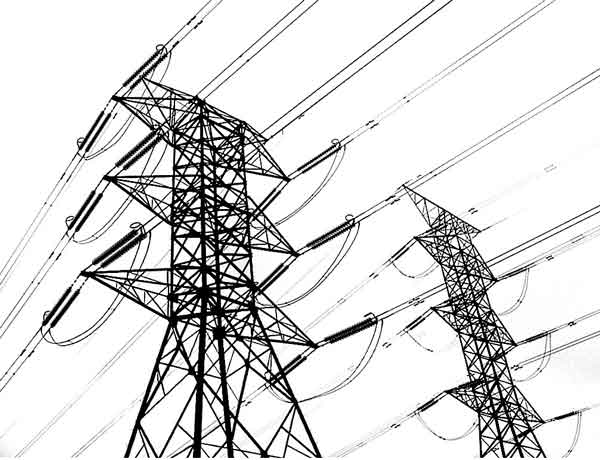
Ukraine Helps Spain Amid Blackouts
Ukraine-Spain Power Aid highlights swift international solidarity as Kyiv offers grid restoration expertise to Spain…
View more
EPA, New Taipei spar over power plant
Shenao Power Plant Controversy intensifies as the EPA, Taipower, and New Taipei officials clash over…
View more
Clean B.C. is quietly using coal and gas power from out of province
BC Hydro Electricity Imports shape CleanBC claims as Powerex trades cross-border electricity, blending hydro with…
View more

Biggest offshore windfarm to start UK supply this week
Hornsea One Offshore Wind Farm delivers first power to the UK grid, scaling renewable energy…
View more
COVID-19 Response: Electric Power Industry Closely Coordinating With Federal Partners
ESCC COVID-19 Response coordinates utilities, public power, and cooperatives to protect the energy grid and…
View more
We Need a Total Fossil Fuel Lockdown for a Climate Revolution
Renewables 2020 Global Status Report highlights renewable energy gaps beyond power, urging decarbonization in heating,…
View more
Sign Up for Electricity Forum’s Newsletter
Stay informed with our FREE Newsletter — get the latest news, breakthrough technologies, and expert insights, delivered straight to your inbox.
Electricity Today T&D Magazine Subscribe for FREE

Stay informed with the latest T&D policies and technologies.
- Timely insights from industry experts
- Practical solutions T&D engineers
- Free access to every issue

