NFPA 70b Training - Electrical Maintenance
Our customized live online or in‑person group training can be delivered to your staff at your location.

- Live Online
- 12 hours Instructor-led
- Group Training Available
Regular Price:
$699
Coupon Price:
$599
A shortage in coal supply has led to shutdowns in several provinces and regions in southern China's power grid, leading to further shortages in power, Xiao Peng, Vice President of China Southern Grid Corporation (Guangzhou, China), said in Beijing at a summit on energy development.
The coal shortage has forced the shutdown of 10,300 megawatts (MW) of generating units in areas including Guizhou Province (4,200 MW), Yunnan Province (2,300 MW) and the Guangxi Autonomous Region (2,300 MW). The shutdowns are the largest the grid has experienced since it was established, Xiao said. There are several reasons for the forced shutdown:
•The shutdown of small coal mines •Insufficient transportation capacity •The inability of small coal mines to supply large power plants
However, several insiders have said that the main reason for the shutdowns is the major rise in the price of coal. The price has been rising quickly in China since 2007, and the contract price for power-coal supply rose an additional 10% in 2008. The price of coal in Guizhou rose $11-$14 per metric ton, according to data provided by Xiao Peng.
Although various measures for energy conservation and emissions reduction have been taken and many new large units have been put into operation in the electric power sector, grid technology has been limited, and the potential for reductions in coal consumption by power producers is also limited. The suspension of price linkage between coal and power has reduced the possibility of changes to the price of coal from power producers. In addition, oil-fired units had to stop operating because of the "high fever" in oil price.
China has maintained control of prices over utilities such as power. In order to compensate for costs for power producers, China had implemented a mechanism to link coal and power, especially when the price rise in coal surpassed 5%. However, the Chinese government recently announced that no price hikes are allowed for utilities because of the current risk of inflation.
Because of the continual rise in the price of coal, it is understandable for some power producers to stop operating. However, the contradiction between deregulated coal price and regulated electricity price will be always a risk in the country's power supply.
Related News
EDF and France reach deal on electricity prices-source
EDF Nuclear Power Price Deal sets a 70 euros/MWh reference price, adds consumer protection if…
View more
Alberta Electricity market needs competition
Alberta Electricity Market faces energy-only vs capacity debate as transmission, distribution, and administration fees surge;…
View more
Tesla Expands Charging Network in NYC
Tesla NYC Supercharger Expansion adds rapid EV charging across Manhattan, Brooklyn, and Queens, strengthening infrastructure,…
View more
Judge: Texas Power Plants Exempt from Providing Electricity in Emergencies
Texas Blackout Liability Ruling clarifies appellate court findings in Houston, citing deregulated energy markets, ERCOT…
View more

Experts warn Albertans to lock in gas and electricity rates as prices set to soar
Alberta Energy Price Spike signals rising electricity and natural gas costs; lock in fixed rates…
View more
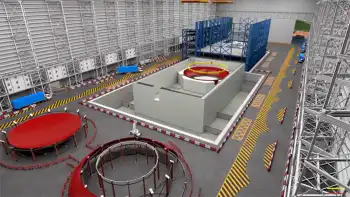
Rolls-Royce expecting UK approval for mini nuclear reactor by mid-2024
Rolls-Royce SMR UK Approval underscores nuclear innovation as regulators review a 470 MW factory-built modular…
View more
Sign Up for Electricity Forum’s Newsletter
Stay informed with our FREE Newsletter — get the latest news, breakthrough technologies, and expert insights, delivered straight to your inbox.
Electricity Today T&D Magazine Subscribe for FREE

Stay informed with the latest T&D policies and technologies.
- Timely insights from industry experts
- Practical solutions T&D engineers
- Free access to every issue

