NFPA 70b Training - Electrical Maintenance
Our customized live online or in‑person group training can be delivered to your staff at your location.
- Live Online
- 12 hours Instructor-led
- Group Training Available
Regular Price:
$699
Coupon Price:
$599
Households, farms and businesses with small-scale generators powered by renewable energy sources will soon be allowed to pump surplus electricity into the main power grid, and get credit for it.
The Ontario government recently published a proposed regulation that would require utilities to plug small-scale generators into the utilities' wires.
If a farm or home generator produced excess power, a meter would record the amount flowing into the utility's system.
A home that used 1,000 kilowatt-hours from the utility during the month, but fed 200 kilowatt-hours back into the system, would be billed for only 800 kilowatt-hours. The process is called "net metering."
The homeowner would, in effect, be paid the full retail price for power contributed to the main system, saving not only the energy charge on the bill, but also transmission and distribution charges, taxes and the Ontario Hydro debt reduction charge.
Only renewable power produced by wind, water, solar or farm bio-mass will qualify. (Bio-mass generally means methane produced from composting plant or animal waste.)
"Our plan is to make it more attractive for small generators such as farmers to produce green power by allowing them to receive credit for the excess electricity they produce," Energy Minister Dwight Duncan said in a release.
Until now, net metering has been available only for the smallest scale generators, up to 50 kilowatts, at the discretion of local utilities.
The proposed regulation would require all utilities to extend the net metering option to units of up to 500 kilowatts. (The wind turbine at Exhibition Place generates 750 kilowatts.) The generator's output must be used primarily for the home or business where it is located.
John Worts, co-owner of a firm that makes wind turbines, greeted the proposal with enthusiasm.
"There's no question it's a very progressive move forward," said Worts. His firm, Winvor Technologies, is based in Guelph and builds turbines of 30 to 35 megawatts.
Net metering likely will be of most interest to farmers or other rural residents with wind turbines, he said.
David Cooke, owner of True-North Power Systems in Lion's Head, cautioned that very small-scale generators, such as those used by a single householder, probably won't benefit from net metering. The customer must pay for installation of equipment, including a meter that measures the power flowing outward, he said. That could be as much as $750, he said.
In addition, technical rules governing power grids will shut very small wind generators off the system for significant periods of time.
Cooke says he has a one-kilowatt wind generator at his own home, which generates about one-third of the 750 kilowatt-hours of power he uses each month.
He could install a larger generator that would produce extra power for the grid when the wind is strong, and offset all the power he buys from his utility, but it doesn't make economic sense at the moment, he said.
Related News

Coronavirus impacts dismantling of Germany's Philippsburg nuclear plant
Philippsburg Demolition Delay: EnBW postpones controlled cooling-tower blasts amid the coronavirus pandemic, affecting decommissioning timelines…
View more
New York State to investigate sites for offshore wind projects
NYSERDA Offshore Wind Data initiative funds geophysical and geotechnical surveys, seabed and soil studies on…
View more

Consumer choice has suddenly revolutionized the electricity business in California. But utilities are striking back
California Community Choice Aggregators are reshaping electricity markets with renewable energy, solar and wind sourcing,…
View more
Alberta's Path to Clean Electricity
Alberta Clean Electricity Regulations face federal mandates and provincial autonomy, balancing greenhouse gas cuts, net-zero…
View more
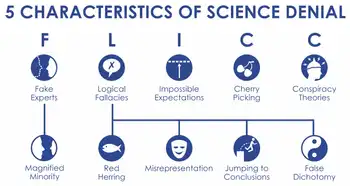
$1 billion per year is being spent to support climate change denial
Climate Change Consensus and Disinformation highlights the 97% peer-reviewed agreement on human-caused warming, IPCC warnings,…
View more

Ford deal to build electric cars in Oakville comes amid $500M government cash to upgrade plant
Ford Oakville EV investment secures government funding, Unifor deal, and plant retooling, channeling $500 million…
View more
Sign Up for Electricity Forum’s Newsletter
Stay informed with our FREE Newsletter — get the latest news, breakthrough technologies, and expert insights, delivered straight to your inbox.
Electricity Today T&D Magazine Subscribe for FREE

Stay informed with the latest T&D policies and technologies.
- Timely insights from industry experts
- Practical solutions T&D engineers
- Free access to every issue

