NFPA 70b Training - Electrical Maintenance
Our customized live online or in‑person group training can be delivered to your staff at your location.

- Live Online
- 12 hours Instructor-led
- Group Training Available
Regular Price:
$699
Coupon Price:
$599
One of the states served by the Tennessee Valley Authority accused the federal utility of being "a public nuisance" for spewing too much pollution in the air.
North Carolina Attorney General Roy Cooper sued TVA for what he said are excessive amounts of smog, soot and chemical contaminants emitted from the utility's 11 coal-fired power plants.
"TVA's pollution is making North Carolinians sick, damaging our economy and harming our environment," Mr. Cooper said at a news conference in Charlotte, N.C. "It must stop."
TVA officials said they are reducing pollution from coal plants more than utilities in North Carolina and already comply with increasingly stringent federal rules.
Since 1977, TVA has spent $4.4 billion to cut sulfur and nitrogen oxide emissions from coal plants by 80 percent. The utility is preparing to spend nearly as much again to make more improvements by 2020.
"The lawsuit would do nothing to clean up the air," TVA Chairman Bill Baxter said Monday. "Regional solutions such as the Clean Air Interstate Rule are the appropriate and most effective way of continuing the improvement in air quality, not unilateral state actions such as North Carolina's lawsuit."
Mr. Cooper estimated that out-of-state power plant emissions that drift into North Carolina cause more than 15,000 illnesses and hundreds of emergency room visits each year. He said wants the Environmental Protection Agency to order TVA to do more to clean up its aging coal-fired plants.
The North Carolina Justice Department, which has threatened to sue TVA for pollution problems for more than a year, is suing TVA under state public nuisance standards and under section 126 of the federal Clean Air Act.
TVA is the only utility named in the lawsuit.
Eight Northeastern states sued TVA under the public nuisance standard in 2004, but the court dismissed that claim in September.
TVA is conducting a $5.7 billion cleanup program to meet existing standards and expects the proposed Clear Skies regulations will cost another $3 billion to $3.5 billion to meet, TVA spokesman John Moulton said.
"Why single out only TVA when we're doing more than anybody to clean up our plants?" Mr. Moulton asked.
From 2002 to 2004, TVA said it reduced its sulfur dioxide emissions by 55,000 tons and had a cut in emissions of nitrogen oxides by more than 60,000 tons. In the same period, coal plants in North Carolina increased their sulfur dioxide emissions by 10,000 tons and cut nitrogen oxide emissions by only 28,000 tons, Mr. Moulton said.
TVA has installed scrubbers on six units at its fossil plants and has plans to put scrubbers on another four units.
Mr. Cooper said he is only asking TVA to meet the same standards as utilities in North Carolina.
"Legal action is the last resort, but it's necessary to force TVA to do what's right," he said.
Will Callaway, executive director of the Tennessee Environmental Council in Nashville, said officials in North Carolina is doing more to try to clean up their air than are their counterparts in Tennessee.
Mr. Callaway said that Tennessee sued North Carolina in the 1980s over pollution from the Pigeon River that flows from North Carolina into Tennessee.
"As these cases demonstrate, pollution knows no boundaries," he said.
Related News
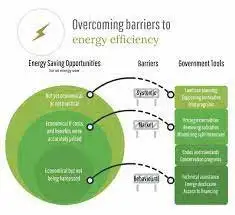
Ontario to Provide New and Expanded Energy-Efficiency Programs
Ontario CDM Programs expand energy efficiency, demand response, and DER incentives via IESO's Save on…
View more
Heat Exacerbates Electricity Struggles for 13,000 Families in America
Energy Poverty in Extreme Heat exposes vulnerable households to heatwaves, utility shutoffs, and unreliable grid…
View more
COVID-19 closures: It's as if Ottawa has fallen off the electricity grid
Ontario Electricity Demand Drop During COVID-19 reflects a 1,000-2,000 MW decline as IESO balances the…
View more

For Hydro-Québec, selling to the United States means reinventing itself
Hydro-Quebec hydropower exports deliver low-carbon electricity to New England, sparking debate on greenhouse gas accounting,…
View more

New fuel cell concept brings biological design to better electricity generation
Quinone-mediated fuel cell uses a bio-inspired organic shuttle to carry electrons and protons to a…
View more

Ontario Breaks Ground on First Small Modular Nuclear Reactor
Ontario SMR BWRX-300 leads Canada in next-gen nuclear energy at Darlington, with GE Vernova and…
View more
Sign Up for Electricity Forum’s Newsletter
Stay informed with our FREE Newsletter — get the latest news, breakthrough technologies, and expert insights, delivered straight to your inbox.
Electricity Today T&D Magazine Subscribe for FREE

Stay informed with the latest T&D policies and technologies.
- Timely insights from industry experts
- Practical solutions T&D engineers
- Free access to every issue

