Protective Relay Training - Basic
Our customized live online or in‑person group training can be delivered to your staff at your location.
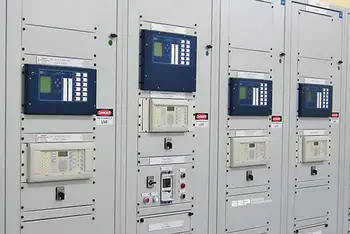
- Live Online
- 12 hours Instructor-led
- Group Training Available
Regular Price:
$699
Coupon Price:
$599
The average Met-Ed residential customer in Berks County would pay $8.83 more a month if the state Public Utility Commission grants a proposed recent rate increase.
Met-Ed's parent company, FirstEnergy Corp., has asked to increase electricity rates for the 152,000 residential, commercial and industrial customers in Berks by a total of $216 million.
The rate hikes also would affect customers in other parts of Pennsylvania supplied by Met-Ed and Penelec, another First-Energy subsidiary.
Company spokesman Scott Surgeoner said the average Met-Ed home customer pays $50.10 for 500 kilowatt hours per month. Under the proposal, that household bill would increase by 17.6 percent, or $8.83.
The PUC must hold public hearings before acting on the requests. The rate increases could take effect as early as June, but PUC Press Secretary Jennifer Kocher said the process typically takes about nine months.
When the electric industry was deregulated, Met-Ed agreed in 1998 to cap electricity generation rates until 2010.
Surgeoner said that when that agreement was made, Met-Ed had expected to focus on transmitting and distributing electricity. The agreement assumed Met-Ed would generate power for only 20 percent of its customers, while 80 percent of customers would buy energy generated by other suppliers.
But Met-Ed and Penelec continue to generate power for virtually all their customers, Surgeoner said, adding that the utilities are annually collecting $300 million less than the cost of generating the power.
The agreement allows the utilities to seek an increase in generation rates if they are unsuccessful in moving 80 percent of the generation load to other suppliers, the utilities said.
Surgeoner said the rate hikes are being proposed now to protect customers from rate shock when the cap expires in 2010.
State consumer advocate Irwin "Sonny" Popowsky said Met-Ed agreed to the cap and should honor its agreement.
Popowsky agreed that raising rates now would cut the size of rate increases after 2010, but only because customers would pay more in the interim. He said rates would be just as high in 2011, no matter when customers started paying.
Related News

Nuclear plant workers cite lack of precautions around virus
Millstone COVID-19 safety concerns center on a nuclear refueling outage in Connecticut, temporary workers, OSHA…
View more

Financial update from N.L energy corp. reflects pandemic's impact
Nalcor Energy Pandemic Loss underscores Muskrat Falls delays, hydroelectric risks, oil price shocks, and COVID-19…
View more

European responses to Covid-19 accelerate electricity system transition by a decade - Wartsila
EU-UK Coal Power Decline 2020 underscores Covid-19's impact on power generation, with renewables rising, carbon…
View more

Biden calls for 100 percent clean electricity by 2035. Here’s how far we have to go.
Biden Clean Energy Plan 2035 accelerates carbon-free electricity with renewables, nuclear, hydropower, and biomass, invests…
View more
Ukraine fights to keep the lights on as Russia hammers power plants
Ukraine Power Grid Attacks disrupt critical infrastructure as missiles and drones strike power plants, substations,…
View more

Kenney holds the power as electricity sector faces profound change
Alberta Electricity Market Reform reshapes policy under the UCP, weighing a capacity market versus energy-only…
View more
Sign Up for Electricity Forum’s Newsletter
Stay informed with our FREE Newsletter — get the latest news, breakthrough technologies, and expert insights, delivered straight to your inbox.
Electricity Today T&D Magazine Subscribe for FREE

Stay informed with the latest T&D policies and technologies.
- Timely insights from industry experts
- Practical solutions T&D engineers
- Free access to every issue

