Arc Flash Equipment - Electrical Safety Handbook, Volume 2
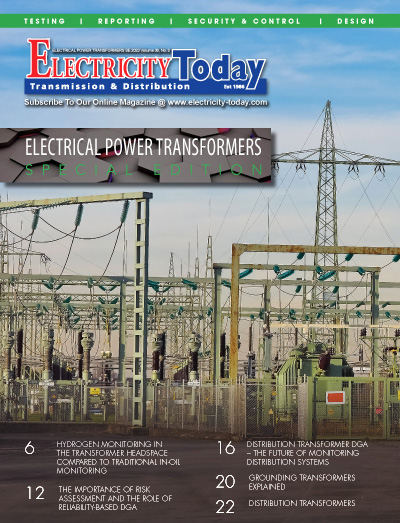
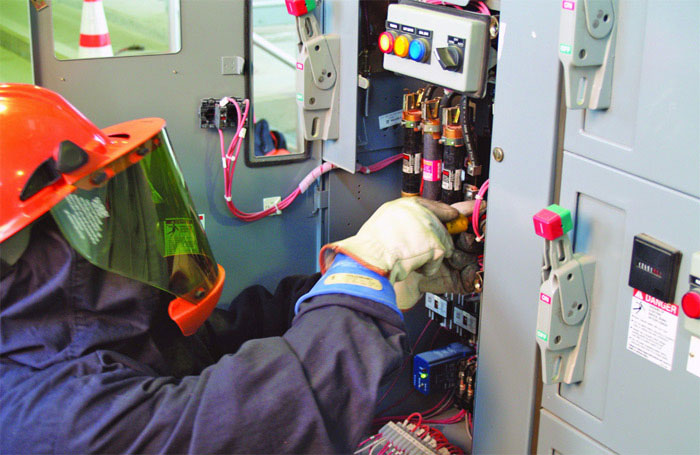
Arc flash equipment and electrical safety services is the #1 subject these days in the North America Power Industry and this new 100+ page handbook will discuss all aspects of Electrical Safety, from hazard analysis to PPE, and an in depth section on Industrial Electrical Safety Standards and Practices, Electrical Safety is a "must add" to any technical library. All new articles in this second volume handbook provide valuable information on arc flash safety and various methods to reduce your chances of injury in arc blast situations; proper techniques when working in hazardous locations, approach boundaries and lockout/tagout procedures, and guidelines for working with medium and high voltage equipment.
CONTENT:
- Understanding and Reducing Hazards
- Arc Flash - The Other Deadly Electrical Hazard
- Electrical Safety and Arc Blast Protection
- The Nine Steps Of Hazard Analysis
- Why Use Current Limiting Fuses?
- Explosive Energy Calculations for Circuit Breakers and Fuses
- Performing Short Circuit Studies on Lower Voltage Equipment
- The Human And Equipment Costs of Personal Accidents
- Electrical Safety And Welding Equipment
- Hazardous Voltage Primer
- Lockout/Tagout Compliance Essential To Safety
- Safety Guidelines for High Voltage and/or Line Powered Equipment
- Control of Hazardous Energy Sources and Electrical Hazards
- Electrical Safety Guidelines To Avoid Workplace Injuries
- Safety & Health Advice for Electrical Trades
- Controlling Electrical Hazards
- Electrical Testing Errors Can Have Disasterous Consequences
- Guidelines for Personal Fall Protection Systems
- Electrical Protective Gloves
- -- 108 Pages
Our Electrical Safety Handbook deals with the following issues: Various safety and insurance organizations consider anything outside of the ELV range (i.e. greater than 50V) to be dangerous and in need of regulation. Voltages above this range are capable of producing heart fibrillation if they produce electric currents in body tissues which happen to pass through the chest area. The electrocution danger is mostly determined by the low conductivity of dry human skin. If skin is wet (especially with electrolytes, including sea water) or if there are wounds, or if the voltage is applied to electrodes which penetrate through the skin, then even voltages far below 40V can be lethal. On the other hand, voltages above approximately 500V have a natural defibrillating effect, so sometimes a higher voltage can be safer than a lower voltage, though by no means safe. A DC circuit may be especially dangerous because it will cause muscles to lock around the wire. It has also been noted that accidental contact with high voltage power lines has not always been fatal because sometimes the victim is thrown clear of the power line by the intensity of the arc that is created and has survived, although with extremely severe injuries.
|